
Dry Skin vs. Dehydrated Skin: What’s the Difference?

If your face feels tight, uncomfortable, or flaky, a richer moisturizer may not always solve the problem. Dry skin and dehydrated skin can look and feel similar, yet they describe different concerns. Knowing the difference can help you choose gentler, more appropriate skincare and recognize when persistent symptoms deserve medical evaluation.
The Quick Answer
Dry skin is commonly used to describe skin that produces less surface oil, while dehydrated skin describes a temporary lack of water in the outer layers of skin. Any skin type, including oily skin, can feel dehydrated. In Tucson’s dry climate, a gentle routine that supports the skin barrier can be especially helpful.
Dry Skin vs. Dehydrated Skin: The Key Differences
The outermost layer of skin acts as a barrier. It contains skin cells and a mixture of lipids that help slow water loss. Dryness is often related to lower oil production and a tendency toward roughness or flaking. Dehydration can be influenced by environment, skincare habits, illness, and other factors. The two may occur together.
| Feature | Dry skin | Dehydrated skin |
|---|---|---|
| Typical pattern | Often a persistent skin-type tendency | Often a temporary condition |
| Common signs | Roughness, flaking, tightness | Dullness, tightness, fine surface lines |
| Care focus | Gentle cleansing and lipid-supporting moisturizers | Water-binding hydration plus barrier support |
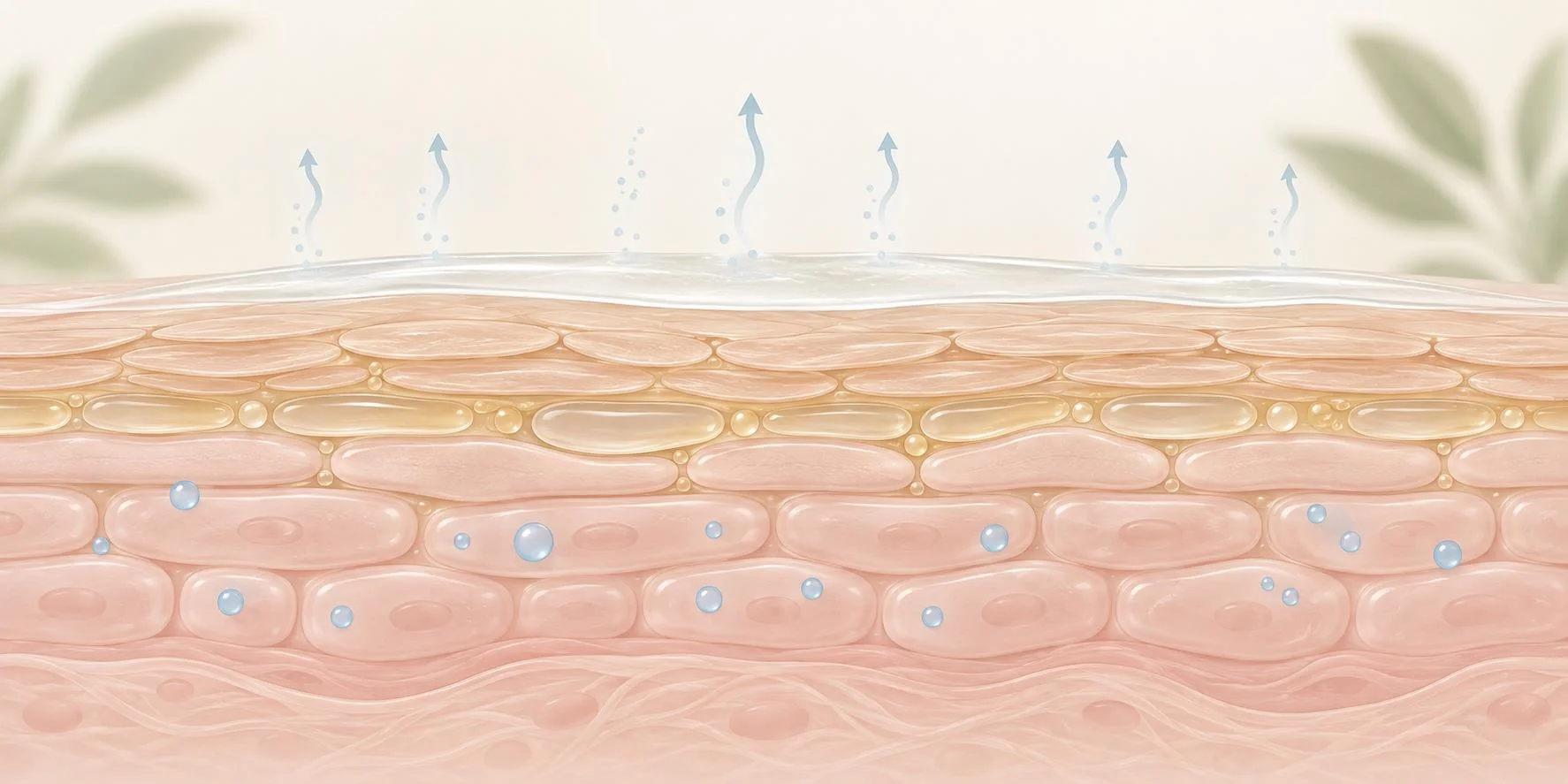
Recognizing the Symptoms
Symptoms overlap, so no home observation can diagnose a skin condition. Dry skin may feel persistently rough or flaky. Dehydrated skin may look dull, feel tight after cleansing, or seem both oily and uncomfortable at the same time. A popular “pinch test” is not a reliable assessment of facial skin hydration; age, collagen, and other factors affect elasticity.
Why Does My Skin Still Feel Dry After Moisturizing?
Sometimes the cleanser, water temperature, frequency of exfoliation, or product combination is more important than a single ingredient. Hot water and aggressive cleansers can leave skin feeling stripped. Applying a product to slightly damp skin and simplifying an irritating routine may be more useful than continually layering new products. If a product burns or causes a rash, stop using it and seek professional guidance if symptoms continue.
Barrier Support & The Three Pillars
The American Academy of Dermatology (AAD) recommends gentle skincare practices for dry skin. Ingredient categories can be useful shorthand, but results vary by person and formula.
The Three Pillars of Barrier Hydration
- Humectants: glycerin, hyaluronic acid, and panthenol help bind water in the outer skin layers.
- Emollients: ceramides, squalane, and fatty acids can soften rough texture.
- Occlusives: dimethicone, shea butter, and petrolatum can reduce water loss from the skin surface.
A simple starting routine is a mild cleanser, moisturizer after washing, and broad-spectrum sunscreen in the daytime. Introduce new products one at a time, especially if your skin is sensitive.
Caring for Dry Skin in Tucson, Arizona
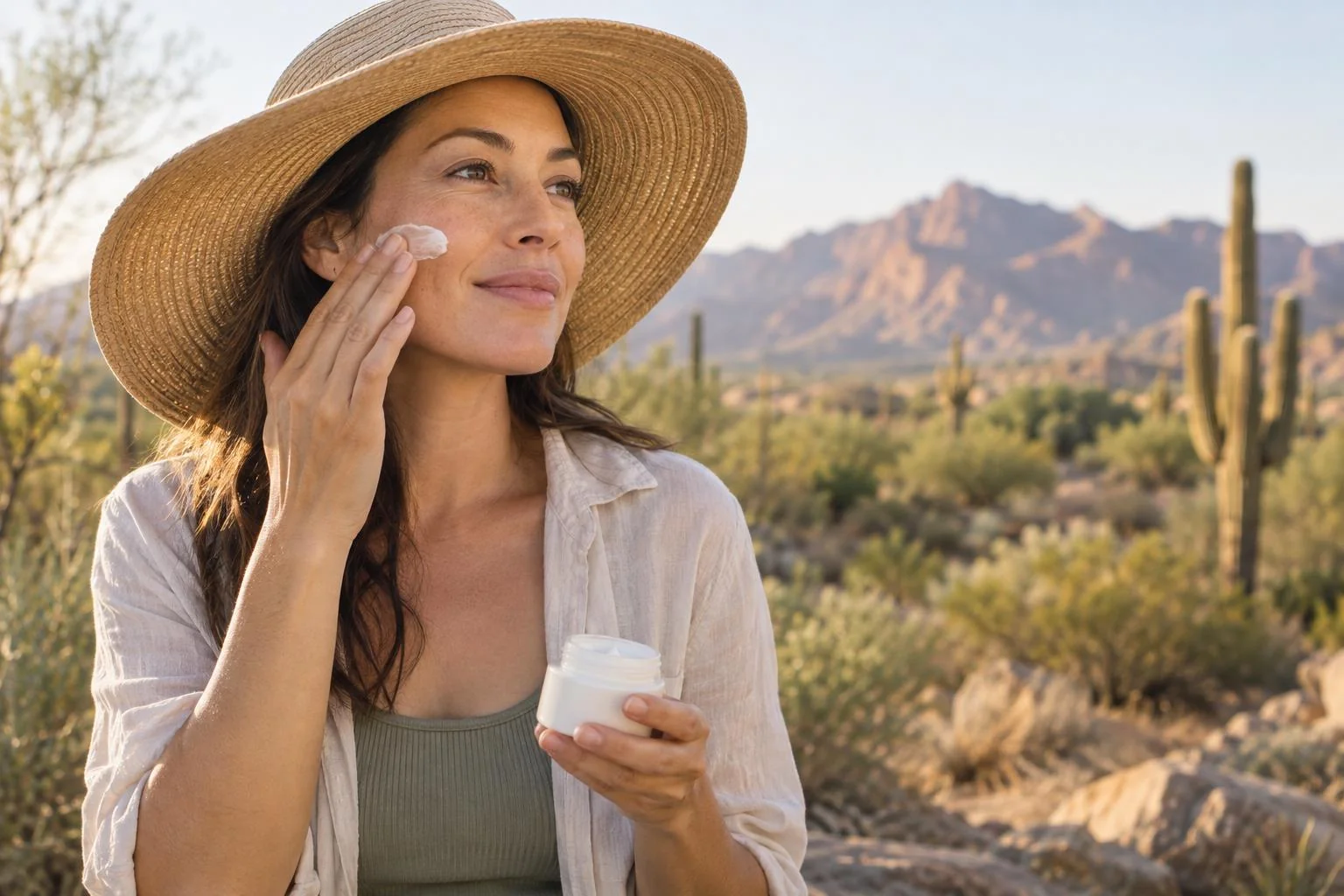
Low humidity, sun exposure, air conditioning, and indoor heating can all contribute to a feeling of dryness. Keep showers comfortably warm rather than hot, use a gentle cleanser, and apply moisturizer after washing. A humidifier may help some people feel more comfortable indoors, but it is not a treatment for an underlying skin condition.
When to Seek Medical Advice
Contact a qualified healthcare professional for severe cracking, bleeding, oozing, notable swelling, persistent itching, or a rash that does not improve with a gentle routine. These symptoms can have causes that need evaluation and should not be self-diagnosed as routine dryness.
Frequently Asked Questions
Can oily skin be dehydrated?
Yes. Oil production and water content are different aspects of skin. Someone can have a shiny or oily surface while also noticing tightness or discomfort. If products consistently sting or symptoms persist, simplify the routine and consider professional advice.
Can skin be dry and dehydrated at the same time?
Yes. A person with a dry-skin tendency can also experience temporary dehydration from environmental conditions or irritating skincare. A gentle, consistent routine can support comfort, but persistent symptoms should be assessed individually.
Does drinking more water fix dry skin?
Staying hydrated supports general health, but it is not a stand-alone remedy for dry skin. The skin barrier, environment, and skincare routine also matter. Use gentle topical care and seek medical guidance for ongoing or severe symptoms.
What is the difference between hydrating and moisturizing?
Hydrating products often use ingredients that bind water in the outer layer of skin. Moisturizing products may also include emollients and occlusives that soften skin and help reduce water loss. Many well-formulated moisturizers do both.
When should I see a medical professional about dry skin?
Seek care for open cracks, bleeding, oozing, severe itch, pain, spreading rash, or symptoms that do not improve. A clinician can help determine whether a skin condition, allergy, or another issue is contributing to the problem.
Ready to look at the full picture?
Dryness, tightness, and sensitivity can overlap, and guessing from symptoms can lead to the wrong routine. A professional evaluation can help clarify whether your concerns may relate to your skin barrier, environmental exposure, an irritating product, or another skin condition.
Schedule an evaluation with Renewed Medical Health and Beauty in Tucson or Green Valley.